
Innovative Advanced Farming Technologies for Better Yields
Farming is evolving rapidly. Traditional methods no longer suffice to meet the growing demand for food and sustainability. Today, innovative farming tech solutions are transforming agriculture into a more efficient, profitable, and eco-friendly industry. These technologies help landowners and investors maximize yields while minimizing resource use. But what exactly are these solutions, and how can they be applied effectively? Let’s explore the exciting world of modern farming technology and its potential to revolutionize agriculture.
Exploring Modern Farming Tech Solutions
Farming tech solutions cover a broad range of tools and systems designed to improve crop production and farm management. These include precision agriculture, automated machinery, data analytics, and controlled environment farming. Each technology targets specific challenges such as water scarcity, soil degradation, pest control, and labor shortages.
For example, precision agriculture uses GPS and sensors to monitor soil conditions and crop health. This data allows farmers to apply water, fertilizers, and pesticides only where needed, reducing waste and costs. Automated tractors and drones can plant seeds, spray crops, and monitor fields with minimal human intervention, increasing efficiency and accuracy.
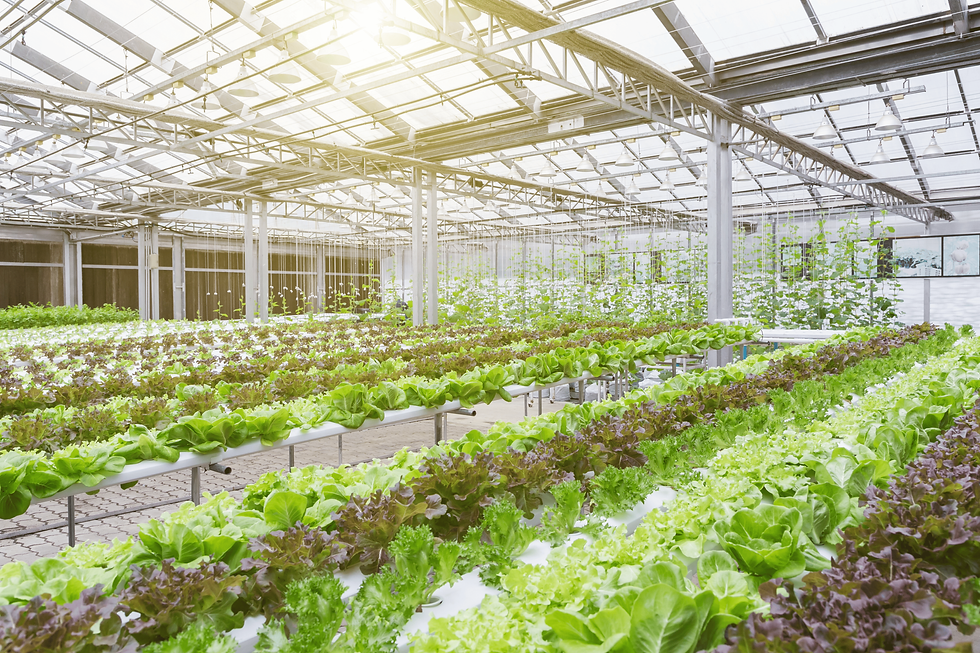
Controlled environment farming, such as hydroponics and vertical farming, grows plants indoors under optimized conditions. This method uses less water and land, produces higher yields, and allows year-round cultivation regardless of weather. These solutions are especially valuable in urban areas or regions with poor soil quality.

By integrating these technologies, farms become smarter and more sustainable. They generate higher profits by producing more with fewer inputs. This shift is crucial for meeting future food demands while protecting natural resources.
How Farming Tech Solutions Boost Profitability and Sustainability
Adopting farming tech solutions offers clear financial and environmental benefits. First, they reduce input costs by optimizing resource use. For instance, smart irrigation systems deliver water precisely when and where crops need it, cutting water bills and preventing overwatering. Similarly, soil sensors help apply fertilizers only in deficient areas, saving money and reducing pollution.
Second, these technologies increase crop yields and quality. Automated planting and harvesting ensure timely operations, reducing crop losses. Controlled environment farming protects plants from pests and weather extremes, resulting in consistent, premium produce. This reliability attracts better market prices and customer loyalty.
Third, farming tech solutions improve labor productivity. Automation handles repetitive tasks, freeing workers to focus on higher-value activities like monitoring and decision-making. This shift reduces labor costs and addresses workforce shortages common in agriculture.
Finally, sustainable practices supported by technology enhance a farm’s reputation and compliance with regulations. Consumers and investors increasingly favor environmentally responsible businesses. Using advanced tools signals commitment to sustainability, opening new market opportunities and funding sources.
Is agtech only for big farms?
Many assume that advanced farming technologies are only suitable for large-scale operations. But that’s a misconception. Today, agtech is accessible and scalable for farms of all sizes. Small and medium landowners can benefit from affordable, modular solutions tailored to their needs.
For example, smallholders can use smartphone apps to monitor soil moisture or pest outbreaks. Compact hydroponic kits enable urban or peri-urban growers to produce fresh vegetables in limited spaces. Drones and sensors are available in smaller models that fit modest budgets.
Moreover, service providers and cooperatives offer shared access to expensive equipment and data platforms. This collaborative approach lowers entry barriers and spreads benefits across communities.
The key is choosing the right technology mix that matches farm size, crop type, and investment capacity. Starting with simple tools and gradually adopting more complex systems allows incremental improvements without overwhelming costs.

In fact, many innovative farming tech solutions are designed specifically to empower smaller farms and new entrants. This democratization of agtech helps create a more inclusive and resilient agricultural sector.
Practical Steps to Implement Advanced Farming Technologies
Implementing new farming technologies requires careful planning and execution. Here are some actionable recommendations to get started:
Assess your farm’s needs and challenges. Identify pain points such as water scarcity, pest pressure, or labor shortages. This helps prioritize which technologies to adopt first.
Research available solutions. Explore options like precision irrigation, soil sensors, automated machinery, or controlled environment systems. Consider factors like cost, ease of use, and compatibility with existing practices.
Start small and pilot. Test new tools on a limited scale to evaluate their effectiveness and learn how to operate them. This reduces risk and builds confidence.
Train your team. Ensure everyone involved understands how to use the technology and interpret data. Training maximizes benefits and prevents misuse.
Monitor and adjust. Continuously track performance and make adjustments based on results. Use data analytics to optimize inputs and improve decision-making.
Seek expert advice. Collaborate with agronomists, technology providers, and extension services for guidance and support.
Plan for scalability. Once initial successes are achieved, expand the use of technologies to other parts of the farm or additional crops.
By following these steps, landowners and investors can smoothly transition to modern farming methods that deliver better yields and profitability.
The Future of Farming with Advanced Farming Technologies
The future of agriculture lies in innovation. Technologies like hydroponics, vertical farming, and precision agriculture are not just trends but essential tools for sustainable growth. These advanced farming technologies enable farms to produce more food with less environmental impact, making agriculture a viable and attractive investment.
Imagine farms that use AI to predict weather patterns and optimize planting schedules. Picture vertical farms in urban centers supplying fresh produce year-round. Envision automated systems that reduce labor needs while increasing output. This future is within reach, and those who embrace these innovations will lead the way.
Investing in farming tech solutions is investing in resilience, efficiency, and profitability. It transforms land into a productive asset that meets modern demands. Whether you manage a small plot or a large estate, the right technology can unlock new opportunities and secure long-term success.

The journey to smarter farming starts now. By adopting innovative technologies, we can redefine agriculture as a sustainable, profitable, and forward-looking sector. The potential is enormous - are you ready to be part of this transformation?

Comments